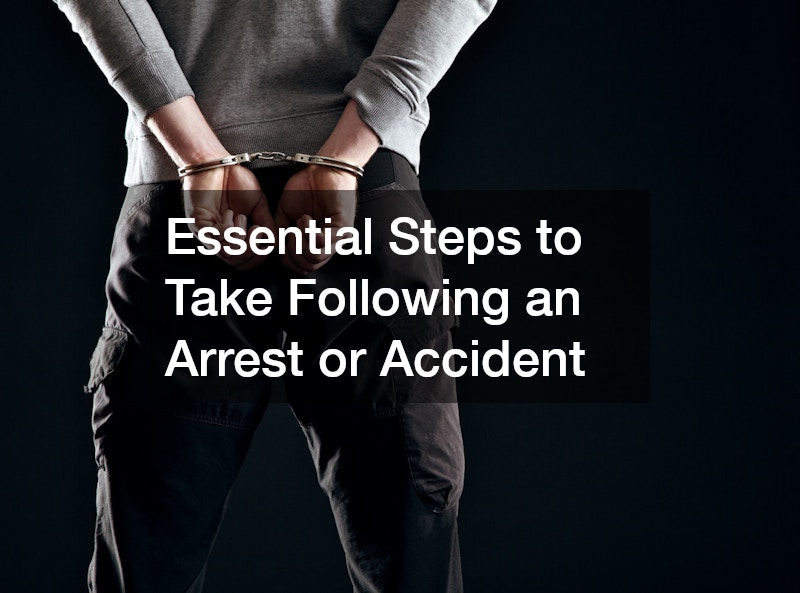
The world can change completely in the span of a single heartbeat. One moment, you are commuting home on a familiar route, listening to a podcast, and thinking about dinner. The next moment, the jarring sound of crunching metal and shattered glass violently interrupts your reality. Alternatively, perhaps it is the sudden, anxiety-inducing flash of red and blue lights in your rearview mirror, followed by the terrifying realization that you are being asked to step out of your vehicle. In either scenario, a profound physical and psychological reaction takes over. Adrenaline floods your system, your heart rate skyrockets, and your rational mind struggles to process the sudden chaotic shift in your circumstances.
Panic and confusion are entirely natural responses to these high-stress situations. However, giving in to that panic can have devastating, long-lasting consequences for your health, your personal freedom, and your financial stability. The harsh reality of the legal and insurance systems is that the decisions you make and the actions you take in the first twenty-four hours often dictate the entire trajectory of the aftermath. Mistakes made in the heat of the moment—such as apologizing out of nervous habit, answering complex questions without guidance, or failing to document a scene—cannot easily be undone.
This comprehensive guide is designed to serve as your roadmap through those critical early hours. By understanding your rights, prioritizing your physical safety, and knowing exactly what to say and do, you can effectively protect yourself. The following step-by-step protocols will help you compartmentalize the crisis, allowing you to navigate the unexpected with clarity, caution, and a strategic mindset.
Managing the Immediate Aftermath of a Collision
The seconds immediately following a motor vehicle collision are disorienting. The sheer kinetic energy of a crash leaves drivers and passengers in a state of shock, making it incredibly difficult to think clearly. However, your primary focus must immediately shift to physical safety and the preservation of vital evidence before the scene is cleared and crucial data is lost forever.
Assess Medical Needs and Prioritize Physical Safety
Your physical well-being and the well-being of your passengers supersede all other concerns. The adrenaline masking your pain can trick you into believing you are completely uninjured.
-
Conduct a physical self-assessment: Before attempting to move, check yourself for lacerations, bleeding, or severe pain. Wiggle your fingers and toes.
-
Check on others: If you are capable, check on your passengers, and then, if it is safe to do so, check on the occupants of the other vehicles involved.
-
Relocate if necessary and possible: If the collision is minor, there are no catastrophic injuries, and the vehicles are operable, move them to the shoulder or a nearby parking lot to avoid secondary collisions with oncoming traffic. If the vehicles cannot be moved, activate your hazard lights, deploy road flares or reflective triangles if you have them, and step safely away from the flow of traffic.
-
Call emergency services: Dial emergency dispatch immediately. Request both police and emergency medical technicians. Having a formal police report generated at the scene is a foundational element for any future claims or disputes.
Preserve the Evidence Before It Disappears
Once safety is established, your next role is that of an investigator. The physical evidence at a crash scene is incredibly fleeting. Vehicles will be towed, debris will be swept away, and weather conditions can wash away skid marks within hours.
-
Capture expansive visual evidence: Use your smartphone to take photographs and videos of everything. Do not just take close-ups of the vehicle damage. Take wide-angle shots of the entire intersection, the position of the vehicles relative to lane markers, and the direction of travel.
-
Document environmental factors: Photograph any obscured traffic signs, malfunctioning traffic lights, construction zones, or adverse weather conditions like standing water or ice.
-
Gather witness intelligence: Eyewitnesses frequently leave the scene once emergency personnel arrive. Approach onlookers immediately. Politely ask for their names, phone numbers, and a brief summary of what they saw. Independent witness testimony is often the deciding factor in liability disputes.
Limit Communication with Opposing Parties at the Scene
Human nature often compels us to act politely or to try and de-escalate tension by apologizing. In the context of a collision, an apology can be legally interpreted as an admission of guilt.
-
Exchange mandatory information only: Provide your name, contact information, driver’s license number, and insurance details to the other driver and the responding law enforcement officers.
-
Do not speculate on the cause: When speaking to the police, stick strictly to the factual events as you remember them. Do not guess your speed, and do not make assumptions about what the other driver was doing.
-
Beware of early insurance calls: The other driver’s insurance company may call you within hours of the crash, sounding friendly and concerned. Their goal is to secure a recorded statement while you are still shaken and potentially medicated. It is highly advisable to consult with a car accident lawyer before providing any official statements or signing medical release forms, as early interactions are often designed to minimize the compensation you might be rightfully owed.
Navigating the Crucial First Minutes of Police Custody
If a police encounter escalates from a routine traffic stop or questioning into an arrest, the psychological pressure is immense. Law enforcement officers are highly trained in interrogation techniques and psychological leverage. Your primary objective is to survive the encounter without inadvertently handing the state the evidence it needs to convict you.
Formally and Politely Invoke Your Right to Silence
The biggest misconception individuals have during an arrest is the belief that they can simply “explain the situation” and the officer will let them go. Once handcuffs are placed on your wrists, the investigation phase is largely over, and the evidence-gathering phase for prosecution has begun.
-
Understand the limits of passive silence: Simply keeping your mouth shut is legally insufficient. You must unequivocally and verbally invoke your constitutional rights.
-
Use precise language: State clearly, “I am invoking my right to remain silent, and I will not answer any questions without legal representation present.”
-
Maintain discipline: After reciting this phrase, you must remain entirely silent regarding the facts of the incident. Do not make small talk in the back of the cruiser. Do not mutter complaints to yourself. Police vehicles are equipped with sophisticated audio and video recording equipment, and your unprompted statements will be used against you.
Refuse Consent for Unwarranted Searches
The Fourth Amendment protects citizens from unreasonable searches and seizures. However, if you voluntarily give an officer permission to search your property, you waive that protection entirely.
-
Verbalize your non-consent: If an officer asks, “Do you mind if I take a look in your trunk?” or “Can I check your pockets?”, you must firmly but respectfully state, “I do not consent to any searches of my person, my vehicle, or my property.”
-
Do not physically resist: If the officer proceeds to search anyway—claiming they have probable cause or a warrant—do not physically intervene, block their path, or argue aggressively. Physical resistance will result in additional charges. Your verbal refusal ensures that if the search is later deemed illegal by a judge, the evidence uncovered can be suppressed.
Memorize the Details of the Booking Procedure
The hours spent being processed at the police station are tedious and demoralizing, but you must remain observant. Procedural errors made by law enforcement during this time can be pivotal later on.
-
Note the timeline: Keep a mental log of how long you were held, when you were formally booked, and when you were given access to a telephone.
-
Listen for your warnings: Take note of whether you were formally read your Miranda rights before any custodial interrogation took place.
-
Catalog the inventory: Watch carefully as officers inventory your personal belongings.
-
Recording these minute details mentally provides a foundational blueprint for fighting sudden criminal defense charges, as procedural violations frequently lead to the dismissal of unlawfully obtained evidence.
Managing the Logistics of Jail Release and Financial Surety
Being placed in a holding cell strips away your autonomy and isolates you from your support network. Your immediate goal is to secure your release so you can begin organizing your life and preparing for the upcoming legal hurdles from the safety of your own home. Navigating the bail system requires strategy and caution.
Coordinate with Trusted Contacts Outside the Facility
Most facilities will eventually allow you to make a telephone call. This call is a critical lifeline and must be used with utmost strategic care.
-
Choose your contact wisely: Do not call someone who will panic, yell, or become hysterical. Call a highly reliable, level-headed family member or friend who has the capability to handle logistics and manage finances.
-
Assume you are being recorded: Every phone call made from a jail facility (except those to verified legal counsel) is recorded and monitored by the prosecutor’s office. Never discuss the details of your arrest, who was with you, or what happened.
-
Provide actionable directives: Tell your contact where you are being held, what your booking number is, and what they need to do next to facilitate your release.
Request a Clear Explanation of Your Bail Conditions
Bail is not designed as a punishment; it is a financial mechanism designed to ensure that you will return to court for your scheduled hearings. However, the amounts can be staggering.
-
Understand the bail schedule: Many jurisdictions have standard bail schedules based on the alleged offense, meaning a judge does not even need to set the amount initially. Have your contact find out this exact number.
-
Identify the release conditions: Release is rarely unconditional. You may be subject to travel restrictions, mandatory drug testing, electronic GPS monitoring, or strict no-contact orders with alleged victims or co-defendants.
-
If the cash amount required by the court is exorbitantly high and cannot be paid directly out of pocket by your family, they will likely need to consult a reputable bail agency to negotiate the release process on your behalf.
Review the Terms and Conditions of Your Release Agreement
Securing release through a third-party commercial entity is a major financial transaction that carries significant liabilities for whoever signs the paperwork.
-
Understand the premium: Commercial entities typically charge a non-refundable premium, usually ranging from ten to fifteen percent of the total bail amount. This money is the fee for their service and is not returned to you, regardless of the outcome of your case.
-
Recognize collateral risks: Utilizing commercial bond services often requires your family or friends to put up collateral—such as the deed to a house, vehicle titles, or significant jewelry—to cover the remaining amount if you fail to appear in court. Your outside contact must thoroughly read and understand these binding financial contracts before signing away their assets in a rush.
Handling Specialized Traffic and Impairment Stops
Traffic stops involving suspected impairment—whether from alcohol, prescription medications, or illicit substances—are highly specialized investigations. Officers follow strict, standardized protocols designed to build a scientific and observational case against you from the moment they observe your driving pattern.
Be Cautious with Voluntary Field Sobriety Tests
When an officer suspects impairment, they will almost always ask the driver to step out of the vehicle to perform a series of physical and cognitive tests. These are known as Standardized Field Sobriety Tests (SFSTs), and they are highly problematic for drivers.
-
Recognize the nature of the tests: The horizontal gaze nystagmus (following a pen with your eyes), the walk-and-turn, and the one-leg stand are not designed for you to pass. They are designed to document your failures. Fatigue, poor lighting, sloped pavement, anxiety, and underlying medical conditions can cause a completely sober person to fail.
-
Understand your right to refuse: In most jurisdictions, these roadside physical gymnastics are completely voluntary. You have the right to politely decline to perform them. Explain that you are not comfortable performing physical tests on the side of a busy highway.
Request Chemical Test Protocols Be Strictly Followed
While roadside physical tests are often voluntary, implied consent laws typically mandate that you submit to a post-arrest chemical test (breath, blood, or urine) to determine your blood alcohol concentration or the presence of narcotics. Refusing these mandatory tests usually results in an automatic, immediate suspension of your driving privileges.
-
Observe the testing environment: If you are subjected to a breath test at the station, watch the operator closely. Did they observe you for the mandatory deprivation period (usually 15-20 minutes) to ensure you didn’t burp or vomit, which could skew the results? Did they change the mouthpiece?
-
Document medical procedures: If your blood is drawn, ensure it is done by a qualified phlebotomist in a sanitary environment.
-
Specialized dui attorneys dedicate extensive resources to challenging the validity of these tests, often building robust defenses by proving that the equipment was poorly calibrated, the software was outdated, or the biological samples were improperly stored and fermented.
Arrange Prompt Extraction from the Holding Facility
Time is an incredibly critical factor when dealing with impairment allegations, specifically because biological evidence changes by the hour.
-
The metabolism factor: Alcohol and drugs metabolize in the human body over time. If you believe the police chemical tests were inaccurate or improperly administered, you have the right to secure your own independent biological testing at a hospital or private clinic.
-
Speed is essential: You cannot secure independent testing while sitting in a holding cell. Therefore, your emergency contact must act swiftly to engage a 24-hour bail bond service to secure your physical release as rapidly as possible, allowing you to establish a timeline and gather exculpatory evidence.
Protecting Your Future Against Substance Allegations
Allegations involving the possession, distribution, or trafficking of controlled substances carry some of the most severe penalties in the legal system, including mandatory minimum prison sentences and permanent felony records. The actions you take immediately following the discovery of contraband are vital to your defense.
Never Admit Ownership Without Legal Counsel Present
One of the most common ways individuals secure their own conviction is by trying to be noble or by falling into the trap of “constructive possession.” Constructive possession means that even if the contraband was not in your pocket, you had knowledge of it and the ability to control it.
-
Beware of shared spaces: If a vehicle is pulled over with four occupants and an illegal substance is found in the center console, officers will often pressure everyone, threatening to arrest the entire group unless someone confesses.
-
Maintain your silence: Do not claim ownership of something that is not yours to protect a friend, and do not try to explain away why you were near the substance. Assert your right to remain silent. Let the officers make their decision based on the existing evidence, rather than handing them a full confession.
Scrutinize the Chain of Custody for Seized Evidence
The journey of physical evidence from the moment it is seized by an officer to the moment it is presented in a courtroom is strictly regulated. This process is known as the chain of custody.
-
Document the seizure: As soon as you are released and have access to pen and paper, write down a meticulous account of the search. Detail exactly what the officers claim to have found, where it was located, what type of packaging it was in, and which specific officer handled it.
-
Identify potential tampering: Was the evidence weighed at the scene? Was it placed in an official evidence bag and sealed in front of you?
-
Highly experienced drug lawyers know that if the state cannot definitively prove that the substance analyzed in the crime lab is the exact same substance seized from the scene, without any gaps in custody or opportunities for contamination, the evidence may be entirely suppressed.
Gather Personal Documentation for Mitigation
Defending against substance allegations is not just about fighting the technicalities of the law; it is also about presenting yourself as a productive, responsible citizen to the prosecutor and the judge.
-
Compile character evidence: Immediately begin gathering documents that reflect positively on your character and lifestyle. This includes recent pay stubs proving steady employment, transcripts showing academic enrollment, or letters of recommendation from community leaders.
-
Take proactive health steps: If the allegations involve addiction, voluntarily seeking a substance abuse evaluation, attending support group meetings, or submitting to clean, independent drug screens at a private clinic can show immense proactive responsibility.
-
Supplying this comprehensive portfolio of mitigation documentation to your defense attorneys empowers them to humanize you to the prosecution. It provides them with the leverage needed to negotiate for pre-trial diversion programs, reduced penalties, or treatment alternatives rather than strict incarceration.
Selecting the Right Advocate for Your Upcoming Legal Battle
Once the immediate crisis of the accident scene or the jail release has been managed, you face the daunting task of selecting the professional who will guide you through the complex labyrinth of the justice system. Hiring legal representation is not a decision to be made lightly or based solely on a flashy television commercial. You are essentially hiring a navigator for one of the most critical journeys of your life.
Conduct Comprehensive Background Research on Prospective Advocates
The legal market is saturated, and separating highly skilled litigators from high-volume settlement mills requires diligent research. You must treat this process like a high-level executive interview.
-
Verify credentials and history: Utilize your state bar association’s website to verify that the professional you are considering is in good standing and has no history of ethical violations or disciplinary actions.
-
Seek local experience: Laws vary drastically by jurisdiction, and the unwritten rules of local courthouses matter. You want someone who is intimately familiar with the specific prosecutors, judges, and clerks in the county where your case is pending.
-
Consult multiple practices: Do not simply hire the first person you call. It is highly recommended that you schedule consultations with at least three different criminal law firms to compare their initial strategies, their communication styles, and the resources they have available, such as private investigators and expert witnesses.
Demand Transparency Regarding Trial Strategy and Costs
A reputable professional will be honest with you about the harsh realities of your situation. They will not promise you a dismissal, as guaranteeing outcomes is legally unethical.
-
Understand the fee structure: Legal representation is expensive, but the billing should be clear. Ask for a comprehensive breakdown. Are you paying a flat fee that covers everything through trial, or are you paying an hourly rate? Are investigator fees and expert witness retainers billed separately? Get everything in writing.
-
Clarify who will be handling the case: Bait-and-switch tactics happen. You might consult with a senior partner but have your case handed off to an inexperienced associate.
-
You must ensure that the specific criminal defense attorney you connect with during the consultation is the exact person who will be reviewing your evidence, filing your motions, and standing beside you in the courtroom when it matters most.
Conclusion
Experiencing a severe accident or being suddenly thrust into the criminal justice system are undeniably traumatic events. They disrupt your daily life, drain your financial resources, and create a pervasive sense of anxiety about the future. It is easy to feel completely overwhelmed and powerless when facing the massive bureaucracies of insurance conglomerates and the state judicial system.
However, it is crucial to remember that this incident, no matter how severe it feels in the present moment, is a single chapter in your life. It does not define your character, and it does not dictate the entirety of your future. By maintaining your composure, exercising your constitutional right to remain silent, meticulously preserving evidence, and refusing to make split-second decisions under duress, you reclaim your power.
The most vital step you can take is to surround yourself with knowledgeable, experienced advocates who can translate the complexities of the law into actionable strategies. Do not attempt to navigate these turbulent waters alone. Save this information, discuss these protocols with your loved ones, and proactively store emergency legal contacts in your phone today. Preparation and decisive action are your best shields against the unexpected.